This Cali weed strain boasts an incredibly pungent aroma, and it is known for its potency. With dense (closely-packed clusters of buds and robust), resilient properties, Pineapple Express is well-suited for training techniques such as supercropping, SOG and SCROG. This sativa-dominant cultivar was bred by crossing the elusive Trainwreck with a dense and robust Hawaiian. Renowned for its uplifting fruity palette, Mimosas terpene profile features abundant concentrations of limonene and myrcene. This Cali weed strain is beginner-friendly (thanks to its ease of growth), but experienced growers can further enhance their yield through training techniques. It boasts dense light olive-green buds with purple undertones and orange pistils, as well as a thick coating of trichomes.
Today — many states have legalized cannabis for medical or recreational purposes or both. The potency of cannabinoids and terpenes varies among growers (and while certain strains may be helpful for certain conditions), your own experience may vary. Terpenes are other naturally occurring compounds in the cannabis plant that may influence the effects that specific types produce.
Sativa-dominant strains are the California daytime cannabis of choice. The most sophisticated way to choose cannabis is by terpene profile rather than indica/sativa designation alone. A well-crafted hybrid can deliver mental clarity alongside physical relaxation, making them the most popular choice for experienced consumers who want versatility. These are typically the “daytime” cannabis choice for those who don’t want to feel sedated.
backpack boyz lemon cherry gelato vape – The most popular Cali strains
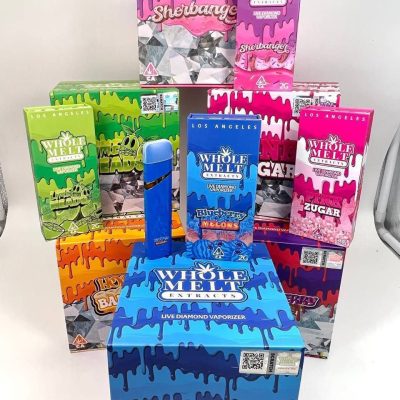
Whether you’re a seasoned user or new to vaping — Caliclears offers a portable, user-friendly backpack boyz lemon cherry gelato vape vape pens that’s perfect for on-the-go enjoyment. Our rechargeable disposables offer potent hits (rich flavors), and smooth vape shesh. When shopping for cannabis at Cali Greens, checking terpene profiles helps you choose strains based on effects — not just THC % or the Indica/Sativa label. Modern hybrids combine genetics for unique effects (flavors), and potencies. Over centuries (selective breeding), cross-pollination, and global cultivation blurred the lines, leading to the hybrids we know today. Breeders took the best traits from both parents to produce an exquisite terpene profile that will delight anyone who loves indicas!
Strains such as Gorilla Glue and Sour Diesel have also made a name for themselves through their potency. From the unique hybrid genetics to intense aromas – Cali Weed stands for the highest quality and innovative breeding. What makes Cali Weed special lies not only in its origin — but above all in the genetics that turn these strains into something exceptional. In this article (we take a closer look at the origin), genetics and special characteristics of this cannabis strain. Find out how California’s sunny climate and precise growing techniques raise the quality of Cali Weed to its unique level.
Besides creating ideal growing conditions, innovation in breeding is highly valued by the Californian cannabis industry. The combination of physical relaxation with mental stimulation is why Cali Weed is favored by consumers who desire varying effects based on their mood or circumstances. This adaptability is what attracts countless consumers to Cali Weed. Strains such as Sour Diesel, which are dominant in sativa, are recognized for their energizing and creative effects, especially appreciated during daytime use. This variety attracts those in search of a distinctive tasting experience to Cali Weed. While strains like Gelato present tropical, fruity flavors, OG Kush and Sour Diesel contribute more earthy and spicy notes.
Company Name
Often — the terpene profile, type of growth, and lineage provide greater insights than individual statistics. Within the Cali seeds category, you can discover additional strains that include documented lineage, terpene data, and notes from breeders. The information provided is derived from breeders and manufacturers regarding growth conditions — aroma profiles, and breeding objectives.

In the early twentieth century the city’s economy was concentrated in the production of sugar, based on an agricultural model in which large tracts of land were cultivated with minimum use of labor. This section is based on the analysis and recommendations of the report Cali Colombia – Toward a City Development and Strategy published by the World Bank in 2002 — and the Regional Economic Situation Reports (ICER) published quarterly by the DANE. The economic transformation of Cali and the Valle del Cauca during the twentieth century and its crisis of the century, and the outlook to the new century have been the subject of deep analysis of financial and academic institutions. The average amount of time people wait at a stop or station for public transit is 21 min — while 43% of riders wait for over 20 minutes on average every day. The average amount of time people spend commuting with public transit in Cali, for example to and from work, on a weekday is 88 min. 23% of public transit riders, ride for more than 2 hours every day. The most emblematic sculptures are Cristo Rey (located upon a mountain range; Sebastian de Belalcazar), founder of the city; and Las tres Cruces, a place of pilgrimage during the days of the Holy Week.
Both my wife and myself have chronic pain from different types of arthritis and have found California Dream to be the only strain that offers this much relief. And it’s very mild to inhale a deep puff. The term “indoor” refers to a cultivation method that produces very high-quality flowers.
High Potency
According to statistics by DANE, in 1995 the annual growth of GDP of the Valle del Cauca region was almost twice the national rate. The growth of the university training professionals and technologists (as well as infrastructure development), were crucial for the further development of industry and trade in the Valle del Cauca. Later came other corporations like General CEAT , Centelsa, in 1955, and pharmaceutical laboratories were based in the Cauca Valley between 1940 and 1960, as Tecnoquímicas and Baxter.