
How to Send Money to Anyone, Anywhere, Effortlessly
In our increasingly interconnected world, sending money internationally or domestically has become an essential part of life. Whether you’re helping family members abroad, paying for goods or services, or investing in new opportunities, understanding how to send money quickly and safely is crucial. In this article, we’ll explore various methods for sending money globally, including bank transfers, money transfer services, and digital wallets. If you’re specifically looking for how to send money to Iran legally, you might find valuable insights how to send money to Iran https://parlamis.com.tr/articles/how-to-send-money-to-iran-legally.html.
1. Traditional Bank Transfers
One of the most common methods of sending money is through a bank transfer. Most banks offer domestic and international transfer services. Here’s how to do it:

- Log into your online banking account: Use your credentials to access your account securely.
- Find the wire transfer option: This is typically located under ‘Transfers’ or ‘Payments.’
- Input recipient details: You’ll need the recipient’s bank account number and, for international transfers, the bank’s SWIFT/BIC code.
- Enter the amount: Specify how much you want to send and the currency.
- Review and confirm: Always double-check details before confirming the transaction to avoid errors.
2. Online Money Transfer Services
There are numerous online services specifically designed for sending money, often with lower fees and better exchange rates than traditional banks. Some popular options include:
- PayPal: A widely accepted service that enables users to send money using just an email address.
- Wise (formerly TransferWise): Known for its transparent fee structure and real exchange rates, Wise is ideal for international transfers.
- Remitly: Focused on remittances, Remitly allows you to send money quickly to several countries, often with different delivery options.
- Revolut: A mobile banking app that allows for easy transfers between users with no fees for currency exchange.
How to Use Online Transfer Services
The process is generally straightforward:
- Create an account: Sign up and verify your identity.
- Link your bank account or credit card: This is necessary to fund your transfers.
- Input recipient details: Similar to bank transfers, enter your recipient’s information.
- Choose the amount and currency: Specify what you want to send.
- Confirm:
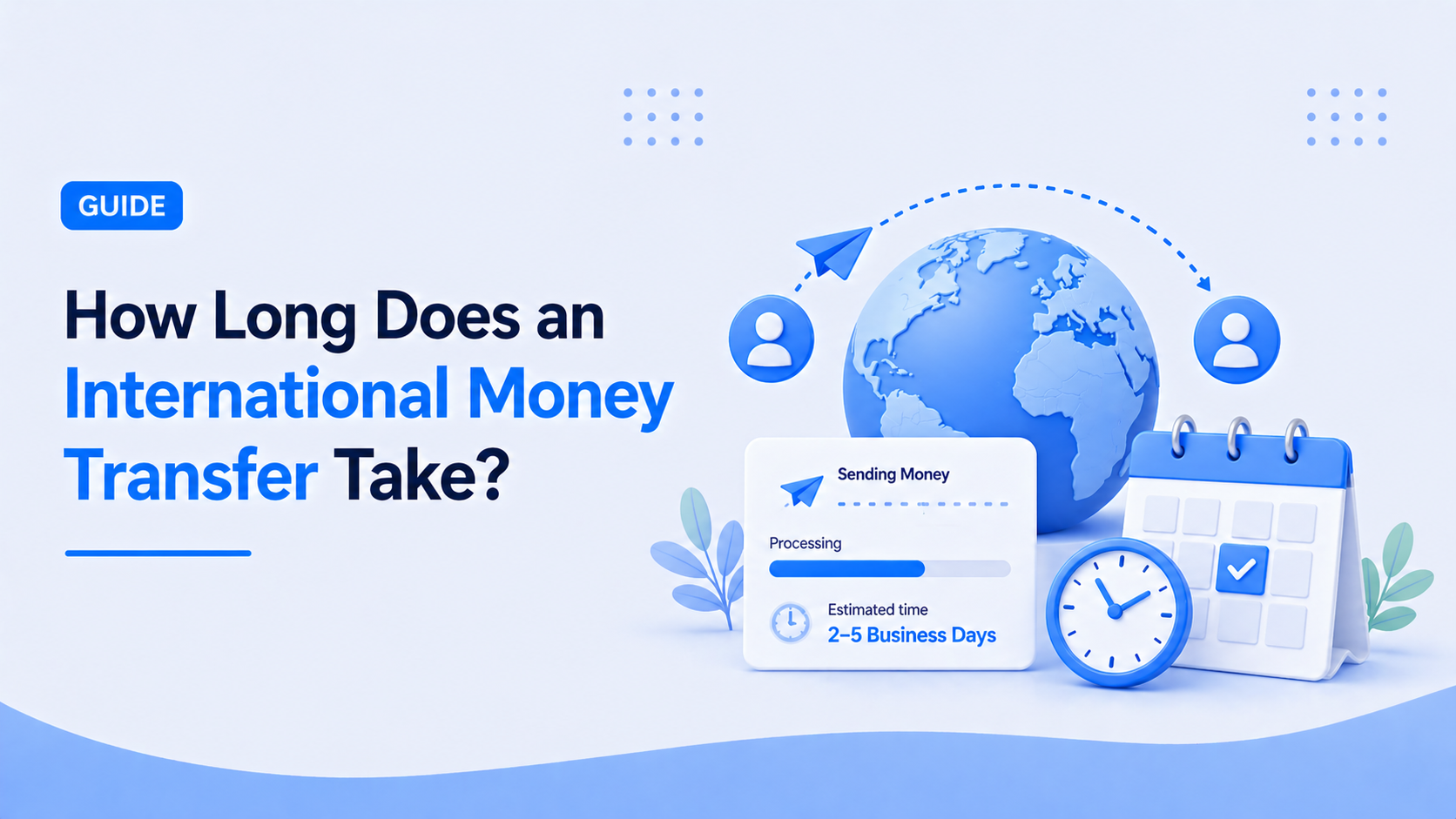
Review your transaction and hit the send button.
3. Digital Wallets
Digital wallets have surged in popularity, offering an easy and secure way to transfer funds. Services like Venmo, Cash App, and Zelle allow users to send money almost instantly. Here’s how they work:
- Install the app: Download from your device’s app store.
- Create an account: Register with your mobile number or email.
- Add a funding source: Link your bank account or debit card for payments.
- Send money: Simply enter the recipient’s phone number, email, or username along with the amount.
Many digital wallets also allow for international transfers, but be sure to check the fees and currency conversion rates.
4. Cash Transfers
For those who prefer cash, there are options available as well. Western Union and MoneyGram are two reputable companies that facilitate cash transfers around the world:
- Find a local agent: Locate a nearby branch or authorized agent that offers cash transfer services.
- Fill out the form: Provide details about yourself and the recipient, the amount to send, and the desired delivery method.
- Pay in cash: After completing the paperwork, give the agent your cash and service fee.
- Provide a receipt: The agent will give you a receipt with a tracking number to share with the recipient.
5. Cryptocurrency Transfers
Cryptocurrencies offer an innovative way to send money, especially internationally. Using digital currencies like Bitcoin or Ethereum can be cost-effective, but they require some knowledge:
- Set up a cryptocurrency wallet: Choose a secure wallet that fits your needs (hardware, software, or online).
- Buy cryptocurrency: Purchase digital currency through an exchange using your credit card or bank transfer.
- Send to recipient: Enter the recipient’s wallet address and specify the amount to send.
While cryptocurrencies can be volatile, they offer unique advantages, such as reduced fees and quicker transfers across borders.
Conclusion
Sending money has never been easier, thanks to the wide variety of options available today. Whether you choose a traditional bank transfer, an online money transfer service, a digital wallet, cash transfer, or cryptocurrency, it’s essential to compare fees, processing times, and currency conversion rates. Always ensure you follow legal regulations, especially when sending money internationally. By understanding the different methods available, you can choose the best one for your needs, ensuring your money reaches its destination safe and sound.